
Back to Resources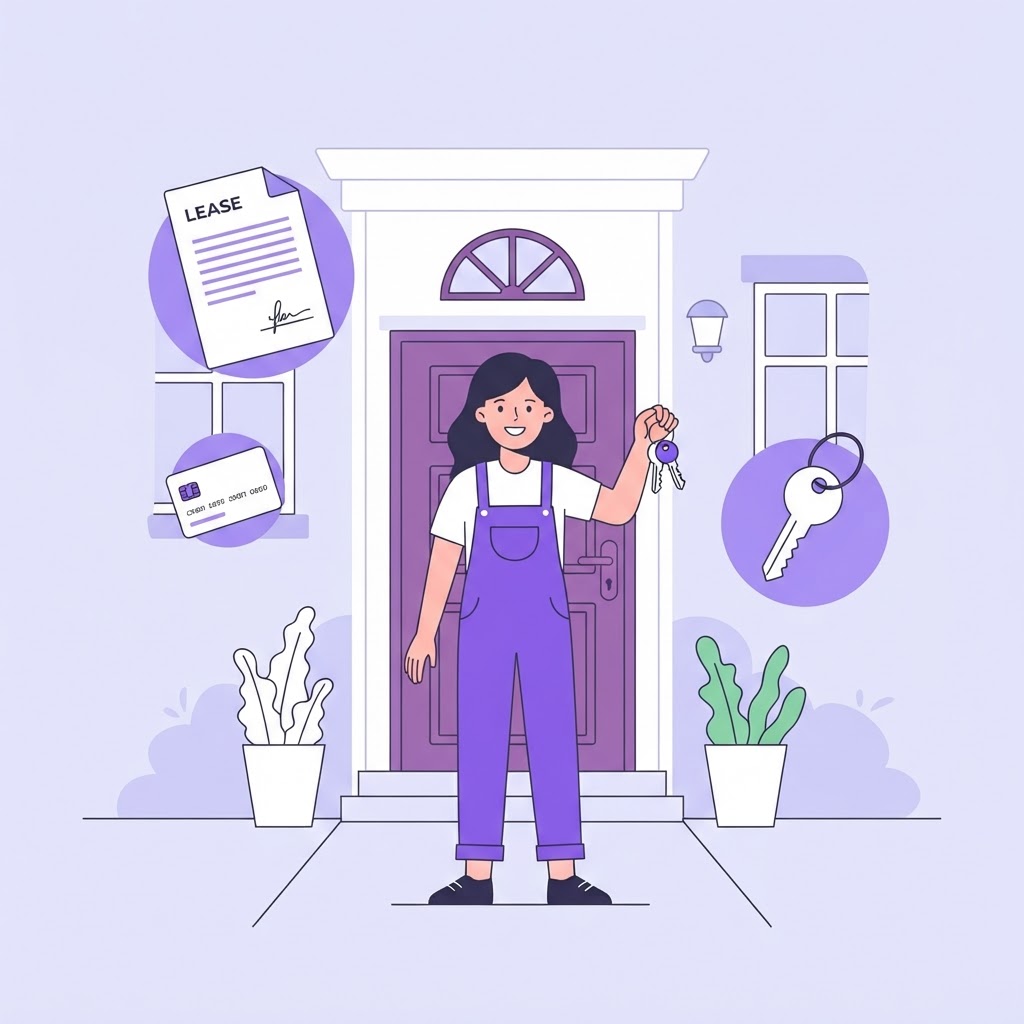 SponsoredCheck out a partner offer
HousingHousing5 min read
Renting Your First Apartment: Costs, Credit and Roommates
Moving out is exciting, but the real costs go well beyond rent. Here's what to budget for, what landlords check, and how to split money fairly with roommates.
- 1Budget for more than rent. Add utilities, internet, renter's insurance and moving costs. A common guideline is to keep rent at or below 30% of your gross income.
- 2In most provinces, landlords can only ask for a deposit equal to one month's rent (often the last month's rent). Rules vary by province, so check yours. Ontario and BC, for example, don't allow a damage deposit.
- 3Landlords often run a credit check. If you have a limited credit history, offer references, proof of income or a letter from an employer. A co-signer such as a parent can also help.
- 4Get renter's insurance. It usually costs $15 to $30 a month and covers your belongings and liability, and many landlords now require it.
- 5Paying rent on time doesn't automatically build your credit in Canada, because landlords rarely report to the bureaus. Rent-reporting services exist, but check the fees first. Paying other bills with a no-fee credit card and paying it off in full is a simpler way to build credit.
- 6Roommates: put everyone on the lease, agree in writing on how bills are split, and use a shared account or e-transfer reminders so nobody is chasing payments. If one person misses rent, everyone on the lease can be held responsible.
- 7Read the lease before signing. Check the term, the rules on subletting, who pays for what, and how much notice is needed to leave. Take dated photos of the unit on move-in day to protect your deposit.
- 8Set up automatic rent payments the day after payday, and keep one month of rent in a separate savings account as a cushion.
Advertisement
Quick Match
Ready to find your perfect card?
Answer a few quick questions and get personalized credit card recommendations in under 30 seconds.